Skip to content

Paint know-⁠how, every shift

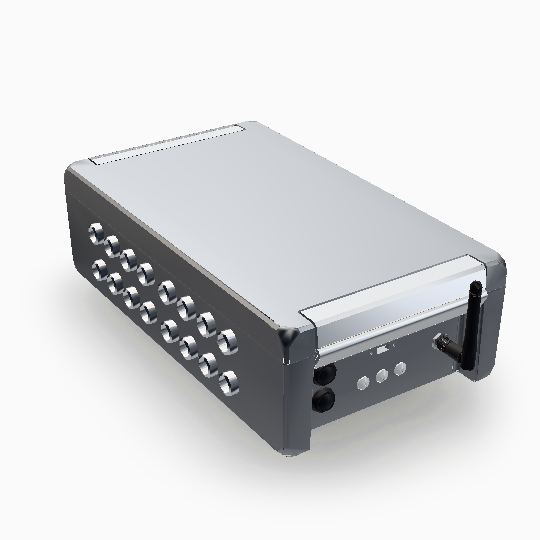
ProSense One, measurement case for the paint line

Plant Memory

Question

The spray pattern on the clearcoat robot has been unstable since the early shift. What do I check first?

First check

Check the condition of the air cap and nozzle head. Automatic cleaning after every skid does not replace a scheduled change.

Source
TPA 6.4

Where paint shops lose time and parts

Trouble on the late shift, and the expert is off.

The spray pattern goes off, and the one colleague who has seen it before is on leave. Often the case is already written up in an inspection report or a checklist. In the pilot we make those documents searchable, and the shift lead asks Plant Memory.

See Plant Memory

Question

Adhesion loss on the bumper after primer. Where do I start?

Troubleshooting steps

  1. Check the measuring chain: confirm the deionisation pH with a second instrument.
  2. Measure part temperature after flaming.
  3. Check humidity in the primer booth.

Knowledge trail

What was found?

  • TPA limits and replacement criteria

    Exceptions
    If a sensor defect is suspected, cross-check with a second instrument before any dosing.
    TPA 3
    Primer booth too dry: risk of dry overspray and adhesion loss.

Plant Memory

Rework turns into scrap.

A part survives one round of rework. After the second defect it is scrap. So the Technical Process Analysis looks for the cause where it often sits: upstream of application, in pretreatment, booth and air handling.

How we trace the root cause

Causes upstream of application

Checked first

  1. Jigs, skids and conveyor
  2. Powerwash, deionisation and flaming
  3. Spray booths and flash-off zones
  4. Robotics and application

Ishikawa categories

  • Measurement
  • Materials
  • Process and method
  • Environment
  • People
  • Machine and equipment

Measurement comes first: a measurement system error is ruled out before anything else.

Method

The line runs below target.

Below target often means parts going to rework and the line losing output. The cause often lies in values rarely measured at the part itself, such as humidity, temperature and airflow upstream of application. ProSense One travels through the line with the part and records them zone by zone. The TPA defines which value matters at which station.

See ProSense One

What the TPA checks at each station

ParameterProSense channelSource
Primer booth humidityHumidityTPA 3
Airflow in the boothAir velocityTPA 3
Oven temperature curveTemperatureTPA 6

ProSense One

Know-how is retiring.

What experienced people on the line know is rarely written down. In the pilot they talk, we turn it into knowledge cards, and they review every card. Their name stays on it.

How knowledge is captured
  1. The expert talks
  2. AI writes the draft
  3. They review and sign off

Check the ionising blowers weekly

The reach of the ionising blowers is checked in the field with a voltmeter once a week. If it falls short, the blower is replaced.

Author
Process engineer
Status
Draft

Plant Memory

How we use AI

Wherever a language model is involved, fixed rules apply.

  • Answers name their source

    Next to every answer is the knowledge trail: the document and, where there is one, the section, such as TPA 6.4. Anyone in doubt can look it up.

  • The model is not allowed to make things up

    The language model is instructed to answer only from the sources found. If they fall short, the answer says so and names what is missing.

  • The model only sees excerpts

    Your question and the few excerpts that match it best, with title, location and date, go to an external provider's language model. It never sees the whole knowledge base.

The method: Technical Process Analysis

The TPA works through a paint line chapter by chapter, from part carriers to general infrastructure. No chapter is skipped: skipping one would make plants impossible to compare.

The TPA chapters

  1. Jigs, skids, conveyor, loading and unloading
  2. Powerwash, deionisation and flaming
  3. Spray booths and flash-off zones
  4. E-Cube, paint mist separation
  5. Air supply, exhaust and thermal oxidiser
  6. Dryers, ovens and cooling
  7. Robotics, application, dosing, compressed air
  8. Paint material, mix room, ring line, pigging
  9. Q-Lab
  10. General

Defects often start before application

The first checks cover everything upstream of the robot: part carriers, pretreatment, booth and air handling.

Measurement system first, process second

If a sensor fault is suspected, a second instrument confirms the reading before anyone adjusts the dosing.

Done means proven

An action is closed once it demonstrably works in series production.

Software and measurement

  • Plant Memory

    Keeps inspection know-how within reach on the line, even when the expert is away. We prepare the documents for it in the pilot.

  • ProSense One

    Travels through the line with the part and measures temperature, humidity and air velocity, the values the method checks first.

One station, four weeks.

You pick the station where it hurts most. After four weeks we go through real cases together and check whether it helped. If it did not, the pilot ends there.